
Dallas, OR experiences harsh winters every year. From snowstorms to freezing temperatures, the weather can be harsh, making it imperative to prep your home and heater for the cold weather. You don’t want to risk the heater breaking down at the moment you need it most.
Schedule a Professional Heater Tune-Up
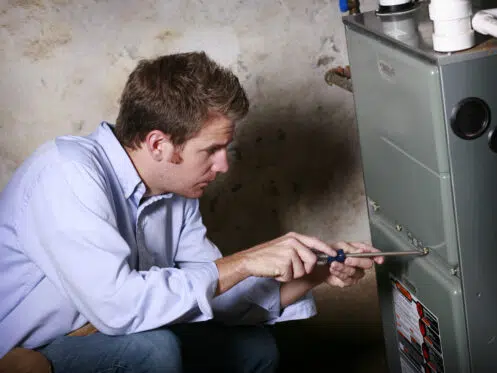
Always have one of our technicians perform a heater inspection each year. We’ll identify and replace worn-out parts to prevent major breakdowns. Lubricating the moving parts reduces friction so the heater can run more smoothly and use less energy. We offer maintenance service plans that simplify seasonal heating care.
Additional benefits of yearly heater maintenance include:
- Better indoor air quality
- Quieter system operation
- Keep warranty valid
- Reliable startup in cold weather
- Improved combustion and safety
Contact Home Comfort Inc. today!
Replace Your HVAC Filter
In the winter, change the filter on your furnace once every four weeks. This prevents airflow restrictions from clogs or blockages. The filter will effectively remove dust and allergens before they circulate through your home, making it more comfortable. Plus, the heater will run more efficiently, which can help you achieve lower heating costs.
Seal Air Leaks
The frames and trim around your doors and windows can develop cracks and gaps. When this happens, cold air from outside will seep inside the home during the winter. And the heater will have to work harder to make up for the heat loss. This means increased wear on the furnace and higher energy costs. An easy way to avoid this problem is to check for gaps and cracks every month. Caulking or weatherstripping the problem areas will keep the conditioned air inside and the cold air outside where it belongs. This is particularly important for your garage door since it’s one of the largest openings in the home and loses heat quickly.
Clean and Check Air Vents
Check every vent in the home once a week to make sure none of them are accidentally left closed. Closed vents can cause uneven heating. It’s okay to close them temporarily, such as when you need to rearrange furniture or block off a room, but you must reopen them after you finish the project. When you check the vents, wipe them down. Dust and dirt buildup on the vents can circulate allergens through the air. Keeping them clean ensures you don’t have to stress about poor indoor air quality.
Test CO Detectors and Smoke Alarms
There’s an increased risk of fires and carbon monoxide buildup during the winter because you use the heating system more. Make sure all of your CO detectors and smoke alarms are working by pushing the TEST button. If it’s been more than a year since you replaced the batteries, put fresh ones in them. You can rest easy knowing the alarms are fully functional.
Reverse Ceiling Fan Direction
Check the blade rotation on all of the ceiling fans. You want them to rotate clockwise so they push the warm air that rises to the ceiling back down into the living space. This makes the rooms more comfortable, and your heater won’t have to cycle on as often. Just make sure to reverse them back to the counterclockwise direction once winter is over. This direction pushes cool air downward so that the rooms feel cooler instead of warmer.
Use a Smart Thermostat
Smart thermostats come with lots of options that make it simple to keep a home more energy-efficient and comfortable. For example, with geofencing, the thermostat will automatically adjust based on your phone’s location. Once you arrive home, the heater will kick on to warm the space. Remote access is a feature that lets you control the thermostat from anywhere using a mobile device. You won’t have to stress about wasting energy just because you forgot to change the temperature before you left. Instead, simply log into the app and push a button to adjust. The ideal temperature settings are between 68°F and 72°F for the winter. This range is energy-efficient because it keeps your home comfortable without making the heater run longer than necessary.
Other ways that smart thermostats make a home more comfortable include:
- Automatic temperature scheduling
- Humidity level monitoring
- Room-by-room control (zoned setups)
- Energy usage reports
- Seasonal comfort presets
Upgrade Your Insulation
When was the last time you had the insulation inspected in your attic, crawl spaces or basement? If it’s been more than a few years, it’s time to book an appointment. These parts of the home are hotspots for heat loss because they’re vulnerable to drafts and outdoor temperature swings. Adding extra insulation will keep the indoor temperatures more stable, so the heater doesn’t have to cycle on as much. The best types of insulation for homes in Dallas, OR include blown-in insulation, spray foam and batt insulation.
Be Smart With Curtains and Blackout Drapes
Keep curtains and drapes open during the daytime so natural warmth from the sun can warm your living spaces. You won’t have to adjust the thermostat as much to stay warm and cozy. Close the window coverings right before the sun goes down to keep all of the indoor warmth inside. Automated curtain systems let you program opening and closing times. They are especially convenient and can make a big difference in year-round temperature control.
Check Fireplace Dampers
All of your fireplace dampers should be in the closed position when you’re not using them. Open dampers let warm air from inside the home rise through the chimney. They can act like vacuums that suck all of the warm air out of a room, making the furnace work harder. Getting into the habit of closing them will keep your living spaces much more comfortable.
Add Rugs for Extra Warmth on Your Feet
If your home has tile or hardwood floors, you undoubtedly know how cold these surfaces can get in the winter. Placing area rugs over them will add warmth to your feet so you don’t feel the need to adjust the thermostat. Certain natural fibers, like wool, provide excellent insulation, retaining warmth without trapping excess moisture.
Use Door Sweeps on Exterior Doors (and Certain Interior Ones)
Make sure all of your exterior doors have door sweeps placed along them. This will block drafts and keep cold air from outside from coming indoors. If you have a basement without climate control, place a door sweep at the bottom of the interior door that leads to that space. Cold air from the basement won’t be able to seep into your living areas.
Create a Backup Heating Plan for Emergencies
Unless you have a generator that will keep the heat running, you should keep a few space heaters on hand for power outages. Backup heating is also useful for situations when a heating system unexpectedly fails. With an emergency heating plan in place, you won’t have to scramble to keep your family safe during an already stressful situation.
We offer HVAC services for furnaces, ACs, heat pumps, boilers and geothermal systems. Our indoor air quality solutions include duct cleaning, air purification and more. We’re all about helping homeowners create comfortable living spaces year-round. Call Home Comfort Inc. today to book expert HVAC service in Dallas.