
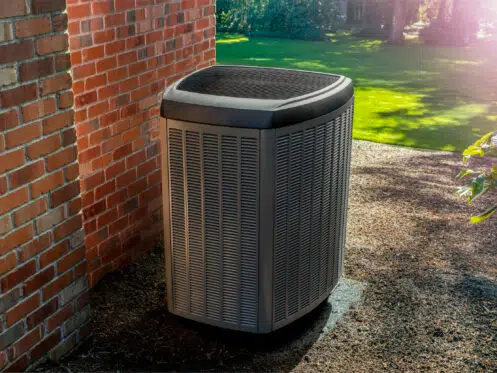
If you’ve heard about new HVAC regulations, you might wonder what they mean for your home’s air conditioner or heat pump. Federal refrigerant rules are changing which refrigerants can be used in newly manufactured residential AC and heat pump systems, with the industry already transitioning to lower-GWP options. While much of this transition began before 2026, homeowners may still see the effects in equipment availability, replacement planning, and future repair costs.
The HVAC industry is transitioning away from refrigerants with a higher global warming potential (GWP). This includes phasing down the use of R-410A in new equipment, though existing R-410A systems can still be serviced. Newer systems are being designed for lower-GWP refrigerants such as R-454B and R-32. These changes may affect future equipment purchases, repair costs, and replacement plans.
For homeowners in the Dallas and Salem areas, understanding this shift is key to making informed HVAC decisions. This guide explains what you need to know about the transition and how it impacts your home.
Why Are Refrigerant Regulations Changing?
These changes are part of the U.S. Environmental Protection Agency’s (EPA) plan to implement the American Innovation and Manufacturing (AIM) Act. This federal act mandates a significant reduction in the production and use of hydrofluorocarbons (HFCs), which are potent greenhouse gases. R-410A, which is the refrigerant in many air conditioners made between the mid-2000s and the early 2020s, is an HFC.
Refrigerants are essential for the cooling process, absorbing heat from your indoor air and releasing it outside. The newer refrigerants are designed to provide effective cooling with lower global warming potential than R-410A. However, it’s important to understand that you can’t put the new refrigerant in an older air conditioner. The industry has redesigned ACs and heat pumps to use the new refrigerants to comply with new regulations without sacrificing cooling performance.
Which Refrigerants Are Replacing R-410A?
As the industry phases down R-410A, two primary replacements are emerging for new residential systems: R-454B and R-32. Both alternatives have a much lower GWP rating than R-410A, making them compliant with new EPA standards. Different equipment manufacturers are adopting different platforms based on their system designs, so you will likely see both options on the market.
The goal is to provide effective and efficient cooling while reducing environmental impact. Our NATE-certified technicians stay current with new technologies to make sure we can safely and correctly service and install the latest equipment for Dallas-area homes.
What Are A2L Refrigerants?
Both R-454B and R-32 are A2L refrigerants. The “A” signifies they are non-toxic, the “2” means they are flammable, and the “L” indicates a low burning velocity. This classification means they are considered “mildly flammable.”
This may sound concerning, but new air conditioners and heat pumps are engineered to use these refrigerants safely. The systems include updated designs, safety features, and installation requirements to help manage the refrigerants’ mildly flammable classification. Technicians also follow updated installation and service procedures to ensure proper operation.
Do You Need to Replace Your Current AC System?
No, you do not need to replace your current R-410A system because of these new regulations. The phase-down primarily affects the manufacturing and installation of new equipment. Older systems can continue to operate and be serviced. While new production and imports of R-410A are being phased down, existing supplies and reclaimed refrigerant can still be used to service your existing AC.
If your air conditioner is running well, there is no need to rush into a replacement. Our team can still perform a professional AC repair on systems using R-410A. The regulations focus on the future of HVAC, not on making current, functional systems obsolete.
Will Repairs Become More Expensive?
Over time, the cost to repair older R-410A systems may change due to market factors. As the production of R-410A is phased down, its availability will decrease. This could lead to higher prices due to supply and demand dynamics.
While we can’t predict exact costs, maintaining an older system with a major refrigerant leak could become more expensive in the future. Regular air conditioning maintenance can help detect small issues before they become major, expensive problems.
Will R-410A Still Be Available?
Yes, R-410A is expected to be available for servicing existing equipment for many years. The AIM Act creates a gradual phase-down, not an immediate ban. Reclaimed and recycled R-410A will also be available on the market. Homeowners should not worry that service for their current system will disappear overnight.
How Will the New Refrigerants Affect New AC Installations?
The transition to A2L refrigerants is more than just a simple swap. New air conditioners are designed from the ground up to work with either R-454B or R-32. It’s crucial to understand that refrigerants are not interchangeable; you cannot put an A2L refrigerant into a system designed for R-410A.
A new AC installation using these refrigerants will involve equipment with specific safety features and components. Installation procedures have also been updated to reflect the properties of A2L refrigerants. This is why it is more important than ever to work with an HVAC company whose technicians are trained in the latest standards.
Are New Refrigerant Systems More Efficient?
The refrigerant is only one piece of the efficiency puzzle. However, the regulatory shift has coincided with broader advancements in HVAC technology. Many of the new systems designed for R-454B and R-32 also feature updated technology like variable-speed compressors, advanced controls, and improved coil designs.
As a result, many new systems may be more energy-efficient than older models. Depending on the equipment, installation, and home, this can support better comfort and may help lower energy use. The efficiency gains come from the total system design, not just the new refrigerant.
What Should Dallas Homeowners Consider Before Replacing Their AC?
Your decision to replace your air conditioner should be based on its overall condition and performance, not just the refrigerant it uses. If you’re deciding whether it’s time for an upgrade, our team can help you evaluate your current system.
Here are a few key factors to consider:
- Age of your current system
- Frequency and cost of recent repairs
- Energy efficiency goals
- Current cooling performance
- Plans to stay or sell home
Proactive planning is always better than making a rushed decision when your AC fails on the hottest day of the year. Evaluating these factors can help you create a smart replacement timeline.
Should You Replace Your System Before Future Regulations Take Effect?
There is no universal answer to this question, as it depends entirely on your specific situation. If your air conditioner is already old, inefficient, and requires frequent repairs, replacing it now might be a wise investment. A new, high-efficiency system can provide better comfort and may help reduce energy use right away.
However, if your current R-410A system is newer and running properly, there is little reason to replace it prematurely. You should evaluate your system based on its performance and reliability rather than reacting to regulatory headlines. An honest assessment from a trusted professional can provide the clarity you need.
What Should Homeowners Do About the 2026 Refrigerant Changes?
The most important thing for homeowners is to stay informed and focus on the health of their current HVAC system. These refrigerant changes are a positive step for the environment, but they don’t require immediate action if your system is working well.
Remember that existing systems can still be serviced and repaired. However, newer equipment will be designed for lower-GWP refrigerants and may include updated safety, comfort, and efficiency features. When the time comes for a replacement, our professional team can guide you to the best solution for your home. We install traditional ACs, heat pumps, and ductless mini-split systems.
If you have questions about your current air conditioner or want to plan for a future upgrade in Dallas, contact Home Comfort Inc.. We’ve been keeping our neighbors comfortable since 1954.