The way we heat our homes is evolving. For years, the focus was simply on staying warm, but today’s homeowners want more. Eco-friendly home heating is rapidly moving toward systems that use less energy, reduce fuel waste, and provide more consistent, reliable comfort. This shift is about more than just lowering utility bills; it’s about making smarter, more sustainable choices for our homes and the environment.
For homeowners in Salem and across Oregon, this means exciting new options are available. The biggest trends shaping the future of residential heating include advanced heat pumps, versatile hybrid heating systems, ultra-efficient geothermal options, and smarter controls that put you in charge of your energy use. It also means placing a greater emphasis on professional maintenance and choosing the right size and type of equipment for your specific needs.
Why Home Heating Is Changing
Several factors are driving the change in home heating technology. Rising energy costs have made efficiency a top priority for homeowners looking to manage their monthly budgets. At the same time, a growing awareness of our environmental impact is encouraging a move away from less efficient, fossil-fuel-burning systems of the past.
Technological advancements have also made new types of systems more powerful and reliable than ever before. Here in the Willamette Valley, where we experience cool, damp winters, a dependable, cost-effective heating system is essential. Modern, eco-friendly options are designed to handle our climate while minimizing energy use.
Are Heat Pumps the Most Efficient Heating System?
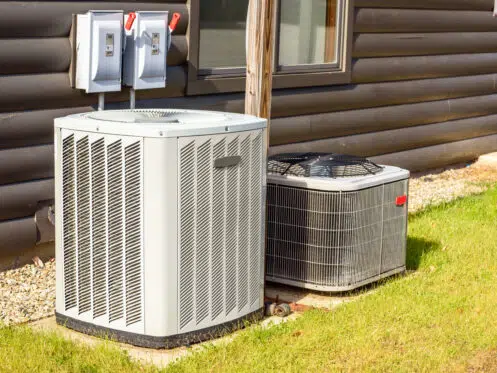
When discussing heating efficiency, heat pumps are always part of the conversation. These systems transfer heat rather than create it through combustion. In winter, a heat pump extracts heat from the outside air and moves it inside your home. Because moving heat is more energy-efficient than generating it, they can operate with remarkable efficiency.
The most efficient systems available are geothermal heat pumps. These units use the earth’s stable temperature to transfer heat, making them incredibly effective. However, they come with significant considerations, including a high upfront cost and an invasive installation process that involves drilling or excavation on your property.
For most homeowners, modern air-source heat pumps are a more accessible and highly efficient choice. Today’s models are engineered to perform effectively even in the colder temperatures we see during Oregon winters, offering both heating and cooling in a single, energy-saving unit.
Where High-Efficiency Furnaces Still Fit
The rise of heat pumps doesn’t mean the end of the furnace. In fact, modern high-efficiency furnaces remain an excellent and eco-friendly choice for many homes in the Salem area. For homes with existing natural gas connections or for those who prefer the powerful, steady heat that a furnace provides, upgrading to a new model can lead to major energy savings.
Older furnaces could have efficiency ratings (AFUE) of 80% or even lower, meaning 20 cents or more of every dollar spent on fuel was wasted. Today’s high-efficiency condensing furnaces can achieve AFUE ratings of 95% or higher. This means nearly all the fuel is converted into usable heat for your home, reducing both your carbon footprint and your heating bills. A professionally installed, high-efficiency furnace is a reliable and responsible heating solution.
Eco-Friendly Heating Options Homeowners Should Know
As technology improves, homeowners have more choices than ever for efficient home comfort. Understanding the available systems can help you make an informed decision when it’s time for an upgrade.
- Heat Pumps: Versatile all-in-one heating and cooling
- Dual-Fuel Systems: Hybrid heat pump and furnace combination
- Geothermal Heating: Ultra-efficient ground-source temperature transfer
- Ductless Mini-Splits: Zoned comfort for homes without ductwork
- Smart Thermostats: Automated, energy-saving temperature control
- High-Efficiency Furnaces: Powerful warmth with minimal fuel waste
Why Proper Sizing and Installation Matter
Choosing an advanced, eco-friendly heating system is only half the battle. To get the full benefit of its efficiency, the system must be correctly sized for your home and installed by qualified professionals. A unit that is too large will short-cycle, turning on and off frequently, which wastes energy and causes unnecessary wear and tear. A system that is too small will struggle to heat your home, running constantly without ever reaching the desired temperature.
Our technicians perform detailed calculations to determine the precise heating load of your home, considering factors like square footage, insulation, window quality, and layout. This ensures we recommend a system that is perfectly matched to your needs. Professional installation guarantees that all components work together safely and efficiently, maximizing performance and system lifespan.
How Can Maintenance Lower My Energy Use?
Once your new system is installed, regular maintenance is the key to keeping it running at peak efficiency. Over time, dust and debris can build up on components, filters can clog, and parts can wear down. This forces your system to work harder to produce the same amount of heat, increasing energy use.
An annual tune-up allows a technician to clean, inspect, and calibrate your heating system. This not only helps prevent unexpected breakdowns, but it also ensures it operates as efficiently as possible, keeping your energy use low. Signing up for one of our maintenance memberships is a simple and effective way to protect your investment and maintain its eco-friendly performance year after year.
Choosing the Right Heating System for Your Home
With so many excellent options, choosing the right eco-friendly heating system can feel overwhelming. The best choice depends on several factors, including your property’s size, age, insulation levels, and existing ductwork, as well as your family’s budget and comfort goals.
Whether a high-efficiency heat pump, a new furnace, or a dual-fuel system is the right fit, our team is here to help you navigate the options. We provide clear, honest advice tailored to your situation, ensuring you get a heating system that keeps you comfortable and saves you money for years to come.
Plan Your Eco-Friendly Heating Upgrade With Home Comfort Inc.
The future of home heating is here, and it’s more efficient and sustainable than ever. Upgrading to an eco-friendly system is a smart investment in your home’s comfort, value, and environmental responsibility.
From advanced heat pumps to high-efficiency furnaces, the team at Home Comfort Inc. has the expertise to guide you through every step of the process. We can help you find the ideal solution for your Salem home.
For expert advice and installation of your new eco-friendly heating system in Salem, OR, contact Home Comfort Inc. to schedule a consultation.
FAQs
We field a lot of questions from Oregon homeowners. Here are the answers to a few that we hear the most often.
Absolutely. Modern cold-climate heat pumps are specifically designed to operate efficiently in temperatures well below freezing. On the coldest days of a Salem winter, these pumps have a supplemental heating element or can be paired with a furnace in a dual-fuel system to keep your home warm and comfortable.
A hybrid or dual-fuel system can be an excellent choice, especially for homeowners who want to add high-efficiency electric heating without completely removing their gas furnace. It provides the day-to-day efficiency of a heat pump with the powerful backup of a furnace, offering a “best of both worlds” solution that optimizes comfort and energy use.
Not at all. While electric heat pumps are a leading eco-friendly technology, a modern high-efficiency gas furnace is a vast improvement over older, less-efficient models. For homes with access to natural gas, upgrading to a furnace with a 95% AFUE rating or higher is a significant step toward reducing energy consumption and environmental impact.